What the Last 12 Months of Trust Research Reveals About Corporate Credibility

2.3.2026

What the Last 12 Months of Trust Research Reveals About Corporate Credibility

Over the past year, the world’s leading trust studies have delivered a consistent verdict: business may still hold a relative advantage over other institutions, but credibility is increasingly conditional on transparency, governance and verifiable evidence.

Read time: 4 mins
Author: Charlie Martin

 Read more articles

In boardrooms and communications teams alike, trust has become both a strategic priority and a reputational vulnerability. Over the past 12 months, a series of major global studies has reinforced a consistent conclusion.

Business remains comparatively trusted, yet that trust is conditional, fragile and increasingly dependent on evidence.

For organisations communicating sustainability commitments, the message is direct. Assertions alone are no longer sufficient. Scrutiny is intensifying, and stakeholders are differentiating sharply between credible disclosure and reputational positioning.

Below is a synthesis of the most significant corporate trust research published in the past year and the implications for responsible sustainability communications.

Business Retains a Lead but Confidence Is Narrow

The 2025 edition of the Edelman Trust Barometer, surveying more than 30,000 respondents across 28 markets, reports that business remains the most trusted institution globally, ahead of government and media.

Business recorded an average trust score of approximately 62 percent, compared with 52 percent for government and 50 percent for media. In the United Kingdom, business trust levels hover only slightly above the 50 percent mark.

However, the headline conceals a more complex reality.

Richard Edelman, CEO of Edelman, described the current environment as a “cycle of distrust fuelled by grievance,” pointing to economic anxiety and perceived inequality as key drivers of scepticism. Trust in business may be comparatively higher, but it is neither unconditional nor secure.

Leadership Credibility Is a Critical Weakness

More striking than institutional trust levels is the widening gap between trust in companies and trust in their leaders.

More recent findings from the Edelman research show that roughly two thirds of respondents globally express distrust in business leaders.

A substantial proportion believe executives may mislead stakeholders, particularly when communicating on societal or environmental issues.

This distinction is material. Stakeholders are increasingly separating an organisation’s stated purpose from the perceived sincerity of its leadership. For sustainability communications, this creates a clear exposure. A technically accurate claim delivered without clarity, proportionality or supporting evidence may still be interpreted as opportunistic.

Consumers Are Quicker to Withdraw Trust

Research from Forrester reinforces the behavioural shift underway. Trust, once eroded, is less likely to recover quickly. Forrester’s 2025 consumer research across multiple global markets identifies declining trust across established institutions, technology firms and digital platforms.

The firm cautions that weak governance around emerging technologies, particularly artificial intelligence, could accelerate this trend. Its forward looking analysis suggests that a significant proportion of brands risk eroding customer trust through poorly implemented automation and AI driven services.

The broader signal is structural. Trust is increasingly tied to governance, oversight and demonstrable responsibility, rather than brand equity alone.

Artificial Intelligence and the Governance Imperative

A major global study conducted by KPMG in partnership with the University of Melbourne surveyed more than 48,000 individuals across 47 countries to assess public attitudes toward artificial intelligence.

Among the findings:

  • 58 percent of respondents report intentionally using AI tools

  • Trust in AI systems has declined in several advanced economies

  • Concern about misuse, inaccuracy and lack of oversight has increased

  • Trust levels are significantly higher in emerging markets than in advanced economies

KPMG emphasised in its accompanying commentary that trust must be designed and governed, not assumed.

The relevance to sustainability communications is clear.

Claims supported by complex data, modelling or AI assisted analysis will face heightened scrutiny unless accompanied by transparent methodology and accessible explanation.

The Commercial Value of Trust

Beyond perception, trust is increasingly linked to measurable commercial outcomes.

Analysis published by the Institute of Practitioners in Advertising in partnership with the Financial Times highlights a consistent relationship between trusted brands and long term business performance, including resilience during periods of volatility.

Trust functions as a form of risk mitigation. It supports customer retention, strengthens brand preference and provides reputational protection during periods of challenge.

Conversely, unsubstantiated or exaggerated claims introduce regulatory, legal and investor risk. In the United Kingdom, scrutiny from regulators and evolving advertising standards reinforce the expectation that claims must be clear, specific and supported by evidence.

Implications for Sustainability Communications

Across these research streams, several conclusions emerge.

First, trust is conditional. Business retains a relative advantage, yet public confidence is limited and reversible.

Second, evidence is central. Stakeholders increasingly expect accessible substantiation, not aspirational language.

Third, governance shapes credibility. The process by which claims are developed, reviewed and disclosed is now part of the trust equation.

Fourth, transparency reduces risk. Independent assessment, documented evidence and public disclosure frameworks materially strengthen confidence.

Strengthen Your Sustainability Communications


truMRK independently reviews sustainability claims and supporting evidence, helping organisations publish with clarity, context, and confidence.


Learn how truMRK works

How truMRK Will Set a New Standard for Sustainability Communication

23.2.2026

How truMRK Will Set a New Standard for Sustainability Communication

Once widely adopted, truMRK will reshape communications by making independent, evidence led transparency a visible standard and, in time, a practical licence to operate across entire sectors.

Read time: 2 mins
Author: Charlie Martin

 Read more articles

There is a simple idea at the heart of truMRK.

Most sustainability communication today is shaped by risk management. Organisations aim to stay within regulatory guidance and avoid accusations of greenwashing. The result is often a lowest common denominator approach. Claims are softened. Language is cautious. Disclosure is selective.

truMRK is built on a different premise.

It is not about doing just enough to avoid being challenged. It is about raising the bar so that evidence, clarity and context become visible standards of responsible communication.

If organisations know their sustainability communications will be reviewed across claims, language and context, they are more likely to publish information that is clear, evidenced and transparent.

And when that expectation becomes visible across a sector, collective standards will begin to rise.

1. Giving Credible Organisations a Clear Signal of Trust

Some organisations are already working hard to communicate responsibly.

When their draft communications are reviewed by truMRK, they will score strongly across claims, language and context with:

  • Claims that are specific and supported by evidence.
  • Language that is clear, regulatorily-aligned and unlikely to mislead.
  • Context carefully considered with material qualifications and boundaries.

Those organisations can then choose to publish their Transparency Reports alongside a verified badge.

That public report does not endorse performance. It demonstrates that the communication itself has been independently assessed before publication.

In practice, this gives responsible organisations something valuable, a visible signal of disciplined, evidence led communication.

2. Creating Positive Pressure Within Sectors

Awareness changes behaviour.

When stakeholders such as investors, procurement teams, regulators and journalists begin to recognise what truMRK represents, a new question emerges.

Has this been independently reviewed?

In sectors where truMRK is well known, organisations that publish Transparency Reports will stand out.

Those that do not will face greater scrutiny.

For organisations whose sustainability communications are currently vague, selective or overstated, this creates a clear choice.

Continue publishing without independent scrutiny and accept higher risk and comparison.

Or strengthen claims, improve evidence, clarify language and make them robust enough to withstand review.

If a Transparency Report is unlikely to show strong scores, organisations will hesitate to publish one. That hesitation itself becomes informative.

Over time, the simplest route to participation in truMRK is improvement to communication.

This is how standards shift, not through accusation, but through visibility of best practice.

3. A Licence to Operate in Communication

In sectors where sustainability claims are commercially significant, credibility increasingly affects market access.

When independent review becomes common practice, it will begin to function as a practical licence to operate in communications.

Not in a legal sense, truMRK does not regulate markets. But in a reputational and commercial sense.

When it is recognised and understood, a published Transparency Report will signal that claims have been stress tested, evidence has been examined, language has been assessed for risk and context has been considered.

Without that signal, organisations will face tougher questions, longer procurement processes or heightened scrutiny.

With it, they demonstrate proactive risk management. That shift has industry wide implications.

A Practical Path to Higher Standards

The significance of truMRK’s impact will depend on the participation of good corporate communicators.

When credible organisations publish Transparency Reports, they create a benchmark.

When stakeholders recognise and value that benchmark, others will follow.

And because following requires clearer claims, stronger evidence and fuller context, then industry wide standards of communication improve. Acting transparently will become the norm.

That is how voluntary frameworks create change, by aligning reputation with transparency.

Strengthen Your Sustainability Communications


truMRK independently reviews sustainability claims and supporting evidence, helping organisations publish with clarity, context, and confidence.
Learn how truMRK works

Corporate Communicators We Admire in Early 2026

6.2.2026

Corporate Communicators We Admire in Early 2026

In 2026, responsible sustainability communication is a source of trust and influence, and this post highlights corporate communicators we admire for doing it well.

Read time: 4 mins
Author: Charlie Martin

 Read more articles

At truMRK, admiration is not based on stated intent or public reputation. It is based on evidence.

When we review sustainability and ESG communications, we look for clear signs of discipline in how organisations communicate.

This includes how claims are framed, how limits are explained, how ambition is separated from delivery, and whether messages remain consistent over time.

The organisations below stand out because their communications show these qualities repeatedly and clearly in practice.

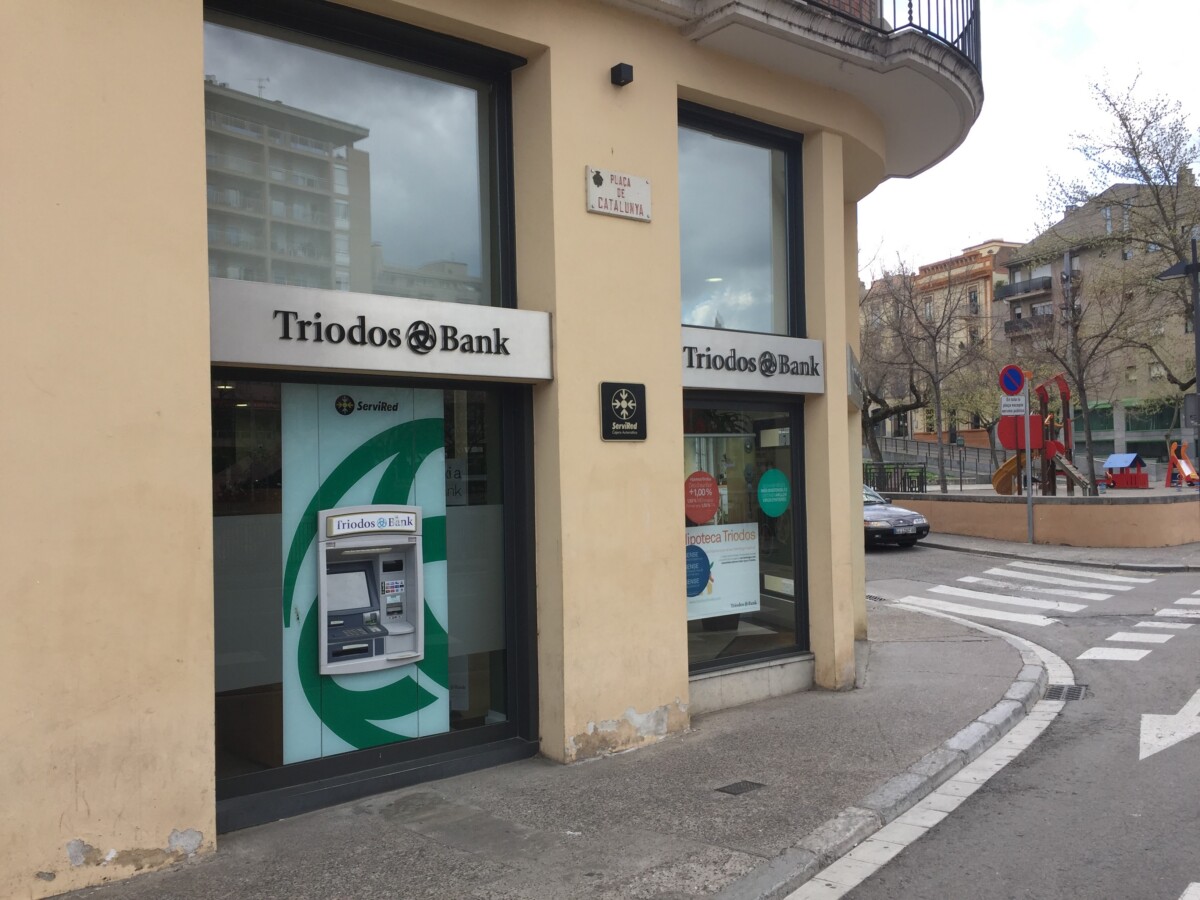
Triodos Bank

What we see in their communications

Triodos publishes detailed information about where its lending and investment capital is directed, with clear breakdowns by sector and purpose. Sustainability communications focus on explaining decision making criteria rather than promoting outcomes alone. The organisation also openly acknowledges system level limits within financial markets, including areas where capital cannot yet be deployed responsibly.

Supporting evidence

Why this matters

Triodos communicates impact through explanation rather than assertion. Claims are supported by transparent disclosure, and uncertainty is addressed directly rather than left out. This points to strong internal governance over sustainability communication.

Patagonia

What we see in their communications

Patagonia regularly acknowledges the environmental harm linked to apparel production, including impacts from materials, energy use, and consumption. Its sustainability content clearly separates activism and brand values from measured impact. Responsibility is presented as ongoing, not as a completed achievement.

Supporting evidence

Why this matters

Patagonia shows restraint in how it communicates sustainability. By avoiding language that suggests problems are solved, the brand reduces the risk of overclaiming and builds credibility through consistency and honesty, even when this limits marketing opportunity.

Eileen Fisher

What we see in their communications

Eileen Fisher makes sustainability claims that are narrowly defined and usually linked to specific programmes or materials, rather than broad brand statements. Circularity initiatives are discussed with reference to learning and iteration, not just success. Communications also acknowledge where scale, infrastructure, or supply chain realities slow progress.

Supporting evidence

Why this matters

Eileen Fisher presents sustainability as an evolving practice rather than a competitive advantage. This approach is fair to audiences and reduces the risk of oversimplification in a sector under close scrutiny.

Innocent Drinks

What we see in their communications

Innocent provides increasingly detailed explanations of packaging impacts, including trade offs between different materials, recyclability, and existing infrastructure. There is a clear separation between brand tone and formal sustainability disclosures. The company also acknowledges areas where progress is slower than ambition, particularly on emissions and packaging systems.

Supporting evidence

Why this matters

Innocent shows signs of maturing communication governance. Tone is not used as a substitute for evidence, and sustainability information is shared with appropriate clarity and qualification.

The Body Shop

What we see in their communications

The Body Shop clearly distinguishes between advocacy campaigns and impact reporting, reducing the risk of confusion. Supply chain challenges, especially around human rights and sourcing, are explained using contextual language. Absolute claims are avoided in favour of progress based framing.

Supporting evidence

Why this matters

The Body Shop shows that values led communication can remain credible when advocacy and evidence are clearly separated. This balance is particularly important in purpose led consumer sectors.

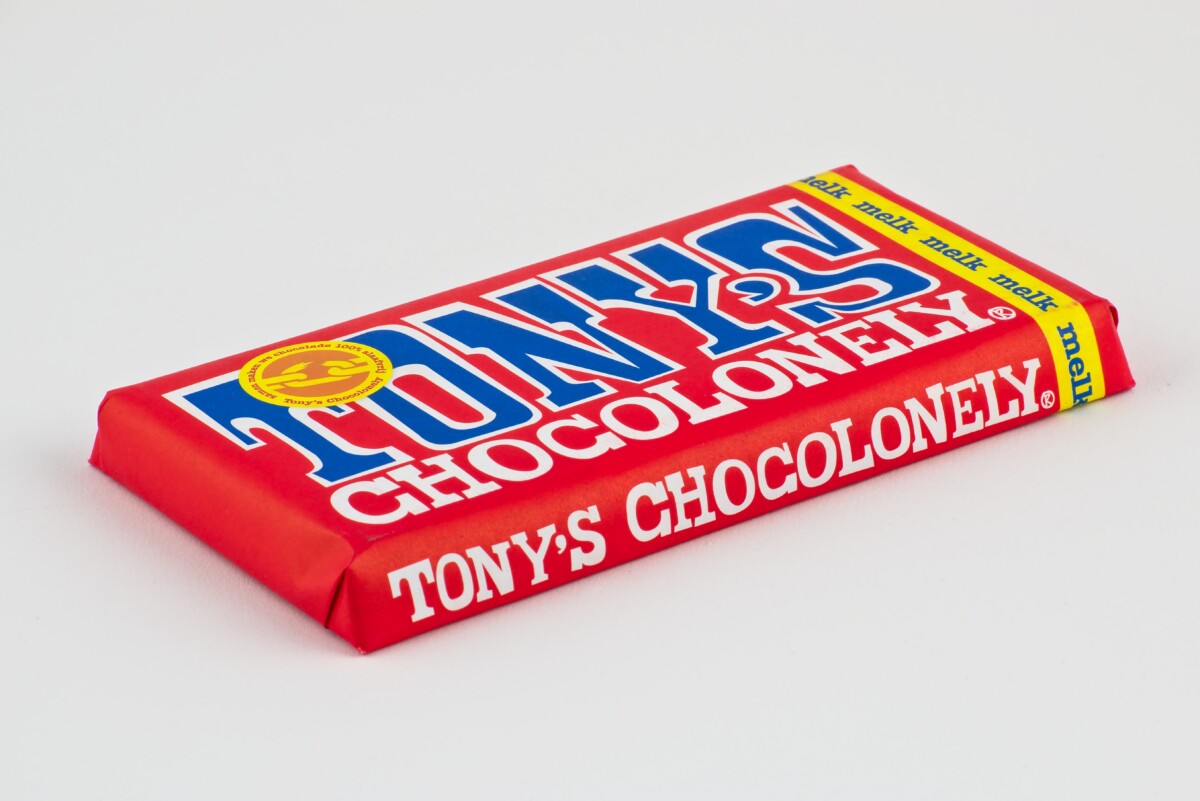
Tony’s Chocolonely

What we see in their communications

Tony’s provides clear explanations of what “slave free chocolate” means in practice, and what it does not mean. Communications openly discuss systemic barriers within cocoa supply chains, including where progress slows or stalls. Delays, partial success, and ongoing risk are acknowledged.

Supporting evidence

Why this matters

Tony’s communicates limits as clearly as progress. By avoiding simplified resolution narratives, the brand reduces the risk of misleading stakeholders and signals a serious commitment to long term change rather than short term reassurance.

What this evidence shows

Across these examples, a shared approach is clear.

The corporate communicators truMRK admires in early 2026 consistently:

  • Qualify their claims carefully

  • Explain scope, boundaries, and trade offs

  • Separate values, ambition, and delivery

  • Communicate uncertainty without becoming vague

  • Maintain consistency across time and channels

These behaviours require internal alignment, clear governance, and a willingness to prioritise trust over immediacy.


Why truMRK is highlighting this now

As sustainability communication faces closer scrutiny, the difference between ambition led marketing and responsible communication is becoming clearer.

truMRK’s role is not to judge sustainability performance. It is to identify and encourage communication practices that stand up to scrutiny and support long term credibility.

The organisations highlighted here show that responsible communication is not about saying less. It is about saying what can be supported, explained, and defended.

Strengthen Your Sustainability Communications


truMRK independently reviews sustainability claims and supporting evidence, helping organisations publish with clarity, context, and confidence.

Learn how truMRK works

Greenwashing Enforcement in 2025 and What It Means for 2026

16.1.2026

Greenwashing Enforcement in 2025 and What It Means for 2026

The enforcement activity of 2025 showed that getting sustainability claims wrong is no longer just a communications risk, but a regulatory one that organisations must actively manage in 2026.

Read time: 6 mins
Author: Charlie Martin

 Read more articles

By the end of 2025, sustainability communications were no longer treated as a peripheral brand issue. Across the UK, EU, and other major markets, environmental and social claims were increasingly handled as consumer-facing representations that must be accurate, specific, and provable.

What changed most in 2025 was not the existence of rules, many of which had been in place for years, but the confidence and willingness of regulators to enforce them publicly.

When claims failed, the response was increasingly formal, documented, and consequential.

This article reviews what enforcement in 2025 actually looked like, why it mattered for organisations publishing sustainability content, and what to expect as scrutiny intensifies further in 2026.


2025 in review: when sustainability language became enforceable


From guidance to action

For several years, regulators had warned organisations about vague and exaggerated environmental claims. In 2025, those warnings translated into action.

Regulators repeatedly emphasised that the problem was not companies talking about sustainability, but companies saying more than they could substantiate.

As one UK regulator put it, environmental claims must be “truthful, accurate, and capable of being substantiated”, and must not “omit or hide material information”.

This focus on what consumers reasonably understand, rather than what companies intend, shaped many 2025 decisions.


Key patterns behind 2025 greenwashing cases


1. Vague claims without boundaries

One of the most common failings in 2025 was the use of broad, positive environmental language without defining its limits.

Claims such as “sustainable materials”, “eco-conscious collections”, or “better for the planet” were repeatedly challenged where companies could not clearly explain:

  • Which impacts were being reduced

  • Compared to what baseline

  • Across which part of the product lifecycle

Regulators made it clear that feel-good language does not reduce the need for evidence. In several rulings, they stressed that the overall impression created by headlines, imagery, and tone mattered as much as footnotes.


2. Targets presented as achievement

Another recurring issue was the treatment of future commitments as if they reflected current performance.

Examples included:

  • Net zero targets referenced without a delivery plan

  • Emissions reduction goals presented without interim progress data

  • Long-term ambitions used as marketing proof points

Regulators consistently stated that ambition must be clearly labelled as ambition. Where this distinction was blurred, claims were judged misleading even if the underlying target was genuine.


3. Selective disclosure and omission

A number of 2025 cases focused not on false statements, but on what was left out.

Claims highlighting recycled content, ethical sourcing, or low-impact initiatives were challenged where companies failed to disclose material trade-offs or wider impacts. Regulators increasingly framed this as a problem of omission, rather than exaggeration.

The message was clear. Partial truth can still mislead if it creates an unbalanced picture.


High-profile enforcement examples from 2025


Consumer goods and fashion

Fashion and ultra-fast retail continued to attract attention in 2025 due to the volume of claims, frequency of purchases, and sensitivity of environmental impacts.

In France, regulators imposed a €40 million fine on Shein, citing deceptive commercial practices.

Public reporting highlighted concerns around sustainability messaging that created an impression of responsibility not supported by the company’s overall business model.

In Italy, a separate €1 million fine was issued against the same company for environmental claims described by the regulator as vague and potentially misleading by omission.

These cases reinforced a key point. High-volume, low-cost business models face heightened scrutiny when using sustainability language, particularly where claims appear to soften or distract from known impacts.


Financial services and investment products

In 2025, ESG claims in financial services were treated increasingly as statements of fact, not branding language.

In Germany, asset manager DWS agreed to pay a €25 million fine following a greenwashing investigation into how ESG considerations were described and applied.

Elsewhere, courts and regulators made it clear that statements about exclusions, screening, or sustainable investment strategies must align precisely with portfolio reality.

Describing a fund as avoiding certain activities, while holding exposure through complex structures, was repeatedly criticised.

As one regulator noted, “ESG representations must reflect how investment decisions are actually made, not how they are marketed”.


Advertising and consumer-facing campaigns

Advertising regulators continued to focus on the overall impression created by campaigns.

In the UK, Advertising Standards Authority upheld multiple complaints against travel and transport advertising that implied environmental benefits without adequate substantiation.

In several rulings, the regulator stated that consumers were likely to interpret claims as applying to the whole service, not just a limited aspect.

These cases highlighted a recurring problem. Even where individual statements are technically defensible, the combined effect of imagery, headlines, and tone can still mislead.


The UK shift that changed risk calculations

One of the most important developments in 2025 was structural rather than case-specific.

The UK’s competition and consumer regime moved towards more direct enforcement, enabling Competition and Markets Authority to impose penalties without relying solely on lengthy court processes.

This significantly altered risk for organisations publishing environmental claims.

Sustainability content is now far more likely to be treated as regulated consumer information, with financial consequences attached.

For many organisations, this prompted a reassessment of how sustainability claims are reviewed, approved, and evidenced internally.


The wider impact of 2025 enforcement


Rising scepticism and reduced tolerance

As enforcement activity became more visible, stakeholder expectations shifted quickly.

Journalists, NGOs, investors, and consumers became more confident in challenging claims.

In some sectors, even well-intentioned messaging was met with scepticism unless accompanied by clear explanation and accessible evidence.

Several companies found themselves revising published content, not because claims were false, but because they were too open to interpretation.


Sustainability communications moved closer to legal oversight

In 2025, many organisations changed how sustainability content was governed. Common changes included:

  • Treating environmental claims as disclosures rather than marketing copy

  • Involving legal and compliance teams earlier in the drafting process

  • Building internal evidence packs that could withstand external scrutiny

This shift reflected a growing recognition that sustainability communications now carry regulatory and reputational risk comparable to financial or product claims.


What changes again in 2026


1. Faster challenges and earlier intervention

In 2026, organisations should expect challenges to arise more quickly.

Regulators are increasingly willing to intervene at the campaign or webpage level, rather than waiting for systemic issues to emerge.

There is also less tolerance for the argument that consumers “should understand” marketing language. The benchmark is what a reasonable person is likely to take away from the claim.


2. EU anti-greenwashing rules come into force

The EU’s work to strengthen consumer protection around environmental claims becomes operational in late 2026.

New requirements will tighten expectations around substantiation, clarity, and presentation.

For organisations operating across borders, this increases the importance of consistency and precision. Claims that vary subtly between markets may attract scrutiny if they appear to exploit regulatory gaps.


3. Repeat scrutiny of high-risk sectors

Based on 2025 patterns, sustained attention in 2026 is likely in:

  • Fashion and consumer goods with high product turnover

  • Travel, aviation, and transport

  • Financial services and ESG-labelled products

These sectors combine high consumer sensitivity with complex impact profiles, making them a continued enforcement priority.


4. Evidence readiness becomes essential

In 2026, many problems will arise not from intentional misstatement, but from misalignment between:

  • Public claims

  • Internal data

  • Supplier information

  • Outdated assumptions or baselines

Organisations that cannot quickly produce clear, current evidence may find themselves exposed even where intent was responsible.


A practical publishing test for 2026

Before publishing sustainability claims, organisations should be able to answer, clearly and confidently:

  • What exactly are we claiming, and about what scope?

  • Is this a statement of fact, a comparison, or an ambition?

  • What evidence supports it, and is that evidence current?

  • What might a non-expert reasonably infer from this wording?

  • What information could materially change a reader’s understanding if it were omitted?

If these questions are difficult to answer internally, the risk of challenge is already high.


Where truMRK supports communication

truMRK reviews draft sustainability communications before publication, checking the underlying evidence, assessing the clarity of language, and identifying where claims may overreach or mislead.

Where verification is complete, truMRK offers the option to publish a public Transparency Report linked to a verified badge. This allows stakeholders to understand what was reviewed, what evidence was relied on, and where limitations exist.

In an environment shaped by 2025 enforcement and 2026 expectations, this approach supports organisations that want to communicate sustainability progress clearly, cautiously, and credibly, without overstating impact or inviting avoidable risk.

Strengthen Your Sustainability Communications


truMRK independently reviews sustainability claims and supporting evidence, helping organisations publish with clarity, context, and confidence.

Learn how truMRK works

Strengthening Sustainability Reporting Through Independent Transparency

13.1.2026

Strengthening Sustainability Reporting Through Independent Transparency

Karndean Designflooring used truMRK’s independent review to benchmark and strengthen its sustainability reporting, improving clarity, transparency, and confidence in its communications.

Read time: 2 mins
Author: Charlie Martin

 Read more articles

The challenge

As expectations around sustainability reporting continue to increase, from regulators, customers, and wider stakeholders, Karndean Designflooring recognised the importance of ensuring its communications were not only accurate, but also clear, balanced, and credible.

With a public commitment to responsible communication through The Anti Greenwash Charter, the organisation wanted an independent, objective view of how its sustainability reporting performed in practice. The aim was to understand where its approach was strong, where greater clarity or context was needed, and how future reporting could better meet stakeholder needs.


Why truMRK

Karndean engaged truMRK to independently review its sustainability communications and issue a Transparency Report. The purpose was not endorsement or certification, but benchmarking: providing a clear, evidence-led assessment of claims, language, and supporting information.

truMRK’s role was to assess how sustainability statements were framed, how well they were substantiated, and where there was a risk of misinterpretation. This included reviewing alignment with recognised standards, the balance between ambition and evidence, and the clarity of performance disclosures.

The approach

Karndean used the independent Transparency Report as a benchmarking exercise after the publication of its 2024 Evolve Sustainability Report. The assessment provided an unfiltered external perspective, enabling the team to step outside internal assumptions and view their reporting as stakeholders would.

The review highlighted both strengths and gaps, offering practical insight into:

  • The clarity and precision of sustainability language

  • Where additional context would improve understanding

  • How data and performance information could be more specific

  • How effectively the report addressed different stakeholder audiences

Rather than focusing solely on compliance, the process supported learning and improvement, helping the team understand what good and better transparency looks like in practice.


The outcome

The assessment confirmed that Karndean’s reporting already demonstrated strong foundations, particularly in clear language and commitment to recognised standards. It also identified areas where deeper explanation, clearer data presentation, and more detailed performance information would strengthen credibility.

Importantly, the process challenged the organisation to think more critically about audience needs and how future reports could communicate sustainability information more clearly and confidently. The insights gained have already shaped internal thinking and planning for subsequent reporting cycles.


What Karndean said

“Working with truMRK has been a highly valuable step in strengthening the way we communicate our sustainability work and to build on our commitment through the Anti Greenwash Charter. We used their independent Transparency Report as a benchmarking exercise for our 2024 Evolve Sustainability Report. This gave us a clear, unfiltered view of the strengths in our approach, such as the clarity of our language and our commitment to recognised standards, as well as where we need to provide deeper context, clearer data, and more specific performance information for our stakeholder. And it has challenged us to think about our audience for future reports.

Jamie Shaw, Global Head of Sustainability


Looking ahead

Following the initial Transparency Report, Karndean is now developing its next sustainability report in partnership with truMRK, embedding independent review earlier in the process. This reflects a longer-term, risk-aware approach to sustainability communication, supporting confidence at the point of publication and helping ensure claims are clear, substantiated, and credible.

Strengthen Your Sustainability Communications


truMRK independently reviews sustainability claims and supporting evidence, helping organisations publish with clarity, context, and confidence.

Learn how truMRK works